
Types of Rice, Their Uses
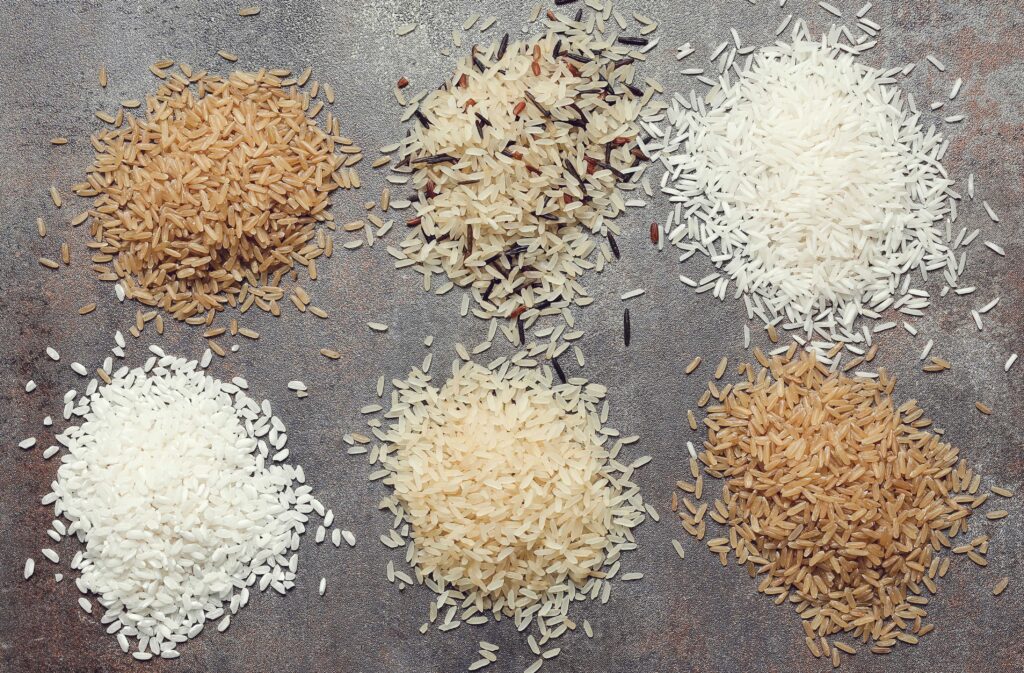
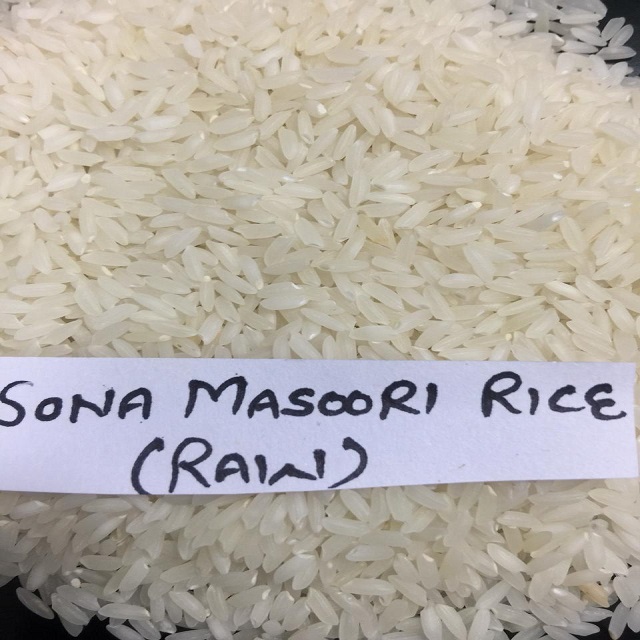
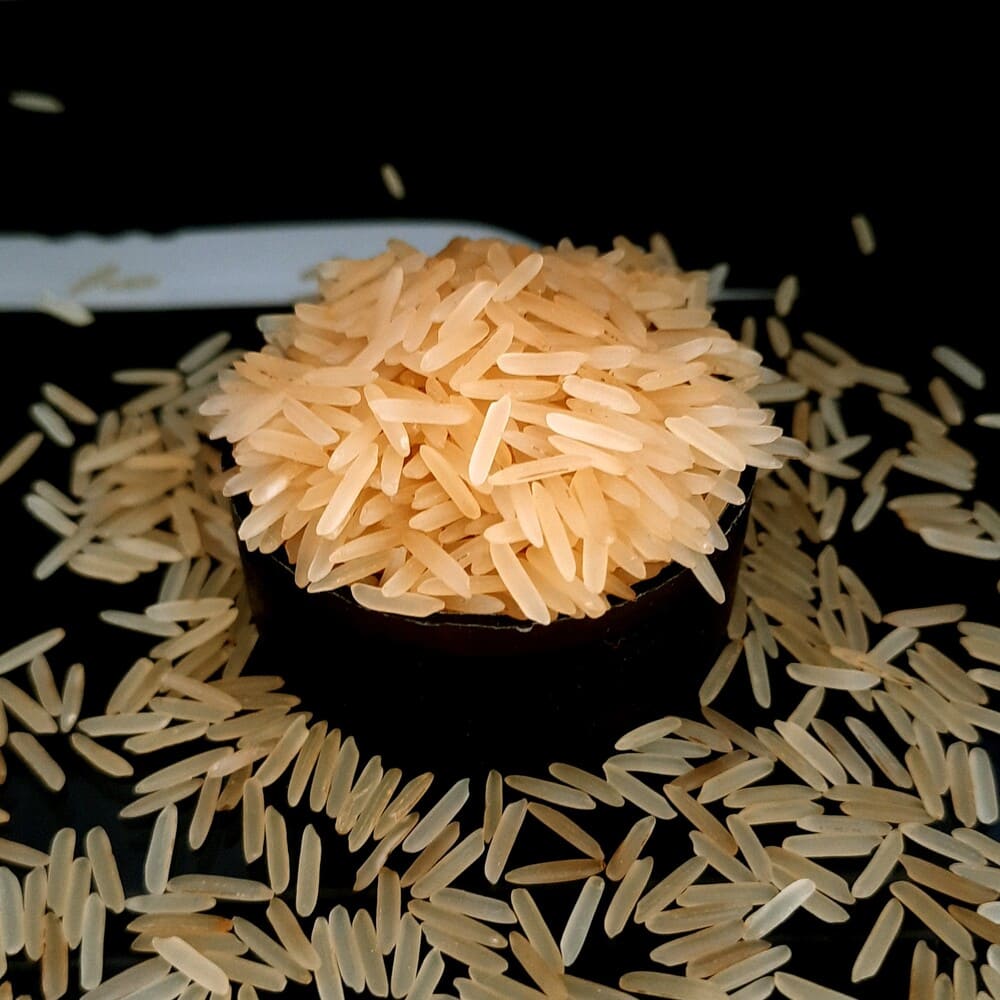
Rice is one of the most widely consumed staple foods in the world, and its diversity in varieties and applications makes it a versatile grain with immense global demand. Broadly, rice is classified into two main categories—basmati and non-basmati. Basmati rice, known for its long grains and aromatic fragrance, is highly prized in Middle Eastern, European, and North American markets. Non-basmati rice includes a wide range of varieties like Sona Masoori, IR64, Swarna, and Parboiled rice, each catering to different regional preferences and culinary needs.
Uses of Rice and Related Products
Rice serves not just as a staple for direct consumption but also plays a vital role in processed foods, brewing, baby food, and snack industries. Basmati rice is often used in premium culinary dishes such as biryanis and pilafs. Parboiled and broken rice varieties are preferred in bulk food service, poultry feed, and brewing applications. In some regions, rice flour is used in gluten-free baking and traditional sweets.
India also exports a range of rice-based products that are gaining international popularity:
- Poha (Flattened Rice): A lightweight, ready-to-cook product popular in breakfast and snack dishes, particularly in Gulf countries, the USA, and Africa
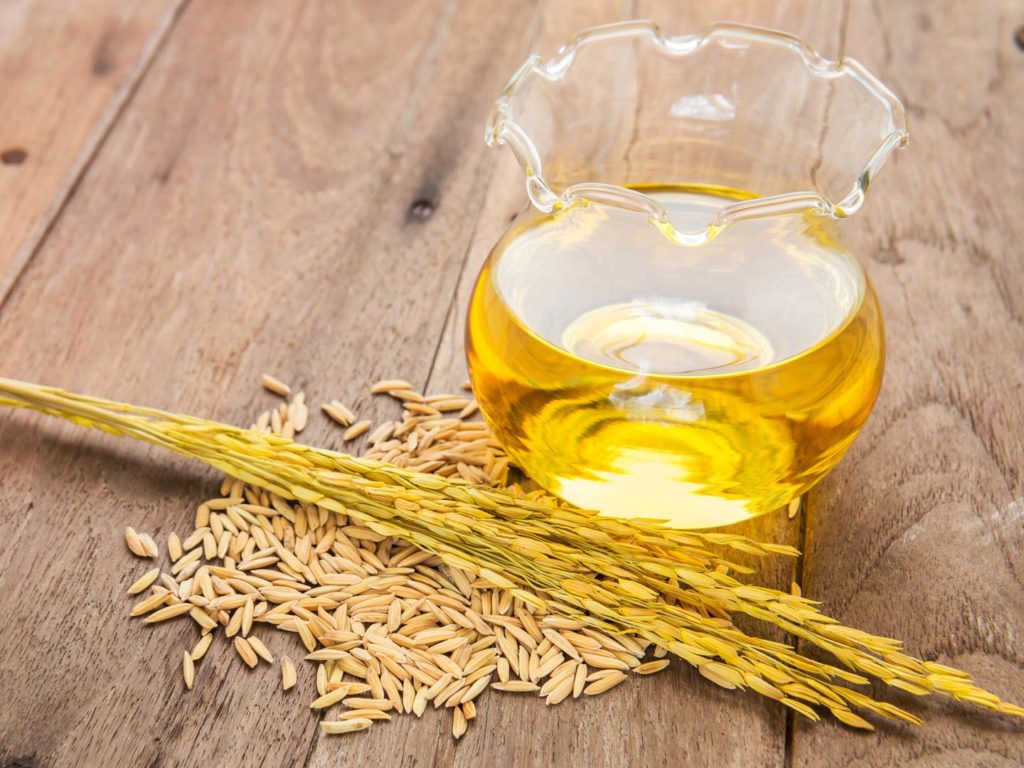
- Rice Bran Oil: Extracted from the outer layer of rice, this oil is rich in antioxidants and is known for its health benefits. It is increasingly in demand in health-conscious markets like Japan, the USA, and the UAE.
- Rice Flour: Used in gluten-free baking, baby food, and traditional sweets. Both coarse and fine versions are available for different applications.
- Broken Rice: Widely used in brewing, pet food, and industrial food processing sectors.
India’s Role in the Global Rice Market
India is the largest exporter of rice in the world, commanding a dominant position in both basmati and non-basmati categories.
Companies like Ochnology Solution Pvt Ltd—though not always in the spotlight—have made significant strides in offering well-processed Indian rice and rice-based products to global clients. Their structured approach to sourcing and quality control makes them a dependable choice for businesses looking to import rice in bulk or customized formats. By working closely with trusted millers, agro-processors, and logistics partners, such firms ensure timely delivery and competitive pricing without compromising on quality.
In conclusion, India's rice sector, along with its growing portfolio of rice-derived products, is a cornerstone of the global grain trade. With responsible, growth-focused exporters steadily gaining ground, international buyers can confidently look to India for their comprehensive rice needs.